


Water is one of Spain’s most valuable natural resources, and using it responsibly is becoming increasingly important — particularly in destinations such as the Costa del Sol.
Spain’s tourism activity is heavily concentrated in summer, precisely when rainfall is low, evaporation is high and water reserves face greater pressure. According to RETEMA, 43% of Spain is exposed to extremely high water stress, while 69% of overnight stays between June and September take place in areas with higher levels of water stress.
On the Costa del Sol, this seasonal pressure is particularly relevant. During the driest months of the year, the region welcomes millions of visitors while water demand also increases across homes, gardens, hotels, sports facilities and public spaces.
This makes saving drinking water and finding alternative sources for irrigation an important part of the region’s long-term environmental strategy.
What is regenerated water and why does it matter?
Regenerated, or reclaimed, water is wastewater that has undergone treatment so it can be safely reused for specific purposes instead of being discarded.
For golf courses on the Costa del Sol, regenerated water can be used for irrigation, helping reduce demand for potable water and pressure on reservoirs and aquifers.
Acosol, the public water company serving the Western Costa del Sol, has supplied regenerated water for golf-course irrigation for more than 20 years. In 2026, the company estimates that approximately 8 hm³ of regenerated water could be supplied across the Costa del Sol.
The principle is simple: water suitable for reuse should be reused whenever possible, preserving higher-quality resources for the purposes that require them.
Atalaya Golf: responsible irrigation in Estepona
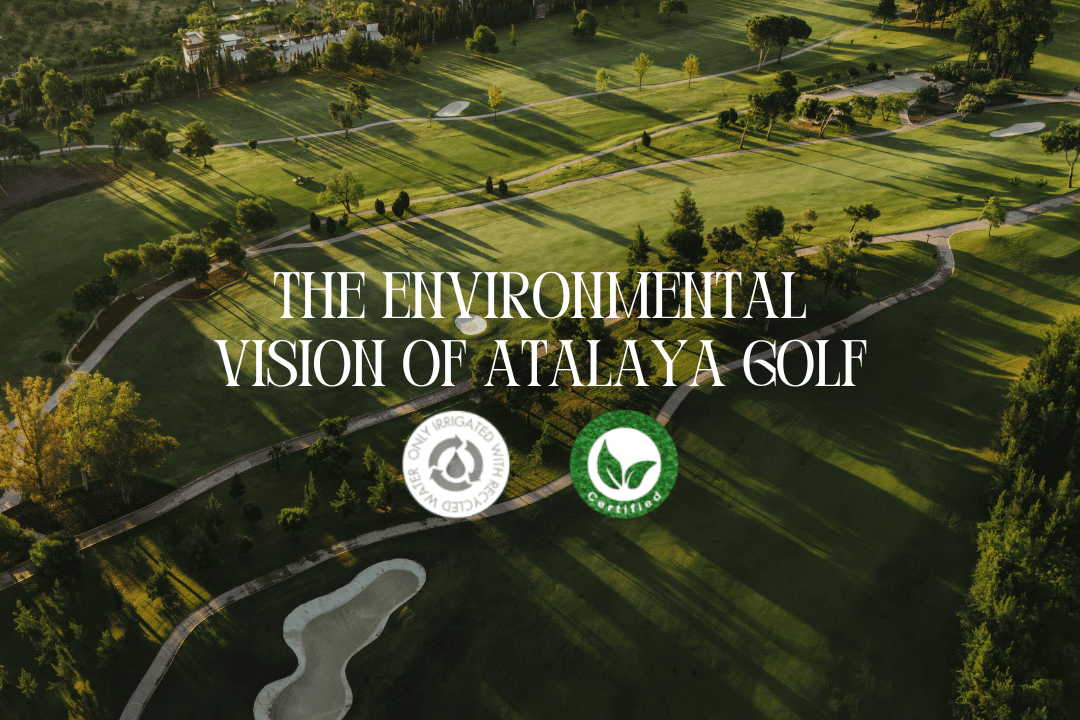
At Atalaya Golf & Country Club, regenerated water forms part of the club’s approach to environmental management.
Using reclaimed water for golf-course irrigation reduces reliance on drinking-water reserves while allowing the club to maintain the playing conditions required across its Old Course and New Course.
This is particularly relevant in southern Spain. Maintaining healthy golf courses throughout a Mediterranean climate must be balanced with periods of limited rainfall, high temperatures and increased seasonal demand for water.
At Atalaya Golf, water management is therefore more than a course-maintenance consideration. It forms part of a wider responsibility to protect the natural resources of the Costa del Sol.
Atalaya Golf’s Environmental Quality Certification
The club’s environmental commitment extends beyond water management.
In 2024, Atalaya Golf & Country Club became the first golf course to receive Acosol’s Environmental Quality Certification, awarded by the Mancomunidad de Municipios de la Costa del Sol Occidental.
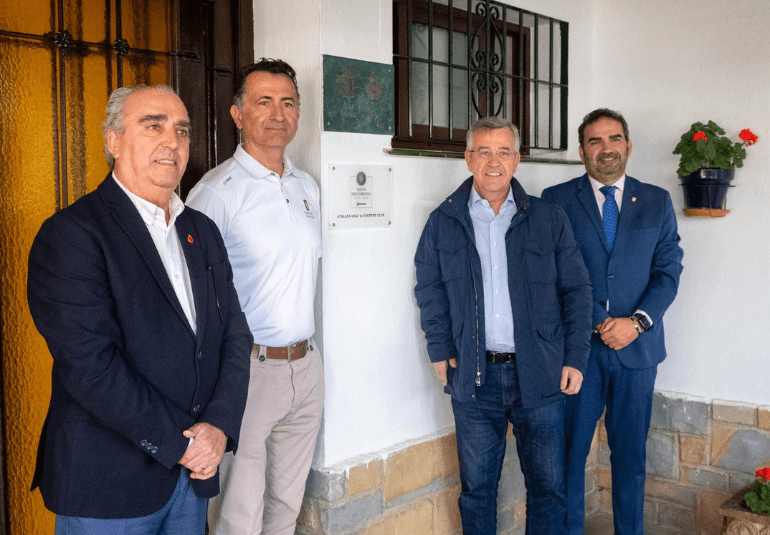
The certification recognises environmental management associated with the flora and fauna found within golf courses and encourages practices designed to protect biodiversity.
According to Acosol, encouraging insect-eating bird species can contribute to natural pest control and potentially reduce the need for pesticides. Increased vegetation can also improve soil stability and make the landscape more resilient to certain climatic impacts.
This means considering the golf course not simply as a playing surface, but as a living landscape where sport and biodiversity coexist.
Golf and the circular use of water
Using regenerated water is a practical example of the circular economy applied to water management.
Instead of treating water as a resource that is used once and discarded, treated water can return to productive use. Irrigating golf courses gives this water a second purpose while helping conserve potable supplies.
The impact becomes significant when considered across the region. Acosol reported that approximately 7 hm³ of regenerated water was used for golf-course irrigation in 2023, contributing to reduced pressure on the La Concepción reservoir and regional aquifers.
Importantly, greater water availability does not remove the need for conservation. In July 2026, Acosol again called for responsible water consumption despite improved regional reserves, stressing that water remains a limited resource and that the habits developed during recent drought periods should continue.

Can golf be part of a more sustainable Costa del Sol?
Golf is directly connected to its environment. Course quality depends on water, healthy soils, vegetation and biodiversity, making responsible resource management essential to its long-term future.
For Atalaya Golf, using regenerated water in Estepona is part of that responsibility.
It demonstrates how golf-course management can contribute to the wider effort to adapt the Costa del Sol to water scarcity while protecting the quality of the landscapes that make this destination unique.
As the Costa del Sol continues to welcome residents, tourists and golfers from around the world, smarter water management will become increasingly important.
At Atalaya Golf & Country Club, protecting the future of golf also means protecting the environment where the game is played.